
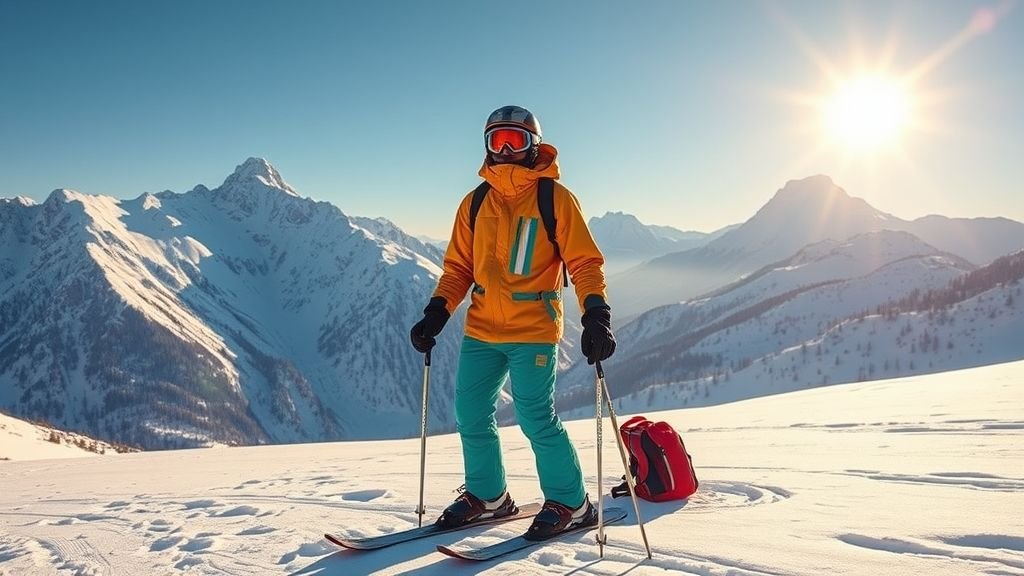
Oh, the majestic Colorado Rockies! There’s nothing quite like standing atop a peak, crisp mountain air filling your lungs, and a blanket of fresh snow stretching out before you. For a beginner, a Colorado ski trip is an absolutely magical experience, a true bucket-list adventure. But before you even think about carving down those incredible slopes at resorts like Breckenridge, Vail, or Winter Park, we need to talk about one of the most important aspects of your trip: what you wear. Trust me on this; I’ve learned a few lessons the hard way, shivering my way through an otherwise perfect day because I didn’t dress right.
I remember my very first time hitting the slopes in Colorado. I was so excited, I grabbed what I thought were warm clothes – a thick cotton hoodie, my favorite jeans, and some insulated gloves. Big mistake! Within an hour, I was soaked, cold, and miserable. That day taught me that dressing for skiing isn’t just about putting on warm clothes; it’s about a smart system that keeps you comfortable no matter what the mountain throws at you. Proper attire is key for a truly joyful time on the snow. My goal here is to share my firsthand wisdom to make sure your first (or next!) Colorado ski trip is filled with smiles, not shivers. Let’s get you ready for your Colorado Ski Trip with this beginner’s packing list.
The Foundation: Understanding the Layering System
The secret to staying comfortable on the mountain, no matter the weather, is something we call “layering.” Think of it like building a cozy onion! Colorado weather can be incredibly unpredictable. One moment it’s sunny and warm, the next a blizzard rolls in. Dressing in layers allows you to add or remove clothing as conditions change, ensuring you stay dry and at the right temperature. It’s what I rely on every single time I head to a place like Copper Mountain or Keystone.
The Base Layer: Your Second Skin
This is the layer that sits directly against your skin, and it’s perhaps the most important. Its primary job is to wick moisture (sweat) away from your body. If sweat stays on your skin, you’ll feel cold very quickly, even if you’re wearing thick jackets. I learned this the hard way with that cotton hoodie!
- What to look for: Materials like merino wool or synthetic fabrics (polyester, polypropylene). These materials excel at moving moisture away from your skin and drying quickly. Merino wool is a personal favorite of mine for its incredible warmth-to-weight ratio and natural odor resistance.
- What to avoid: Absolutely no cotton! Cotton absorbs moisture and holds it close to your skin, turning cold and clammy. It’s truly a beginner’s mistake I wish I’d avoided.
- Recommendation: A long-sleeved top and long bottoms. They should fit snugly but not be constricting. I have a set of lightweight merino wool base layers that I use for almost every ski day, whether I’m at Loveland Pass or Aspen.
The Mid-Layer: Your Warmth Generator
The mid-layer is your insulating layer, trapping body heat to keep you warm. This is the layer you might add or remove most often throughout the day, depending on how hard you’re working or how cold it gets.
- What to look for: Fleece jackets or vests are fantastic options. They are lightweight, warm, and continue to insulate even if they get a little damp. A puffy jacket (synthetic or down) can also work here, especially on colder days.
- What to avoid: Again, cotton sweaters are a no-go. Heavy, bulky items that restrict movement also aren’t ideal.
- Recommendation: I usually pack a medium-weight fleece jacket. On a really cold February day at Steamboat, I might even double up with a thinner fleece and a puffy vest. The versatility is great!
The Outer Layer (Shell): Your Weather Shield
This is your protective shield against wind, snow, and moisture. Your outer layer should be waterproof and windproof, allowing you to stay dry no matter how many times you fall (and you will, it’s part of the fun!) or how much snow starts falling.
- What to look for: A waterproof and breathable ski jacket and ski pants. Look for features like sealed seams, adjustable cuffs, and a powder skirt on the jacket (which keeps snow from going up your back if you tumble). Many jackets also have vents that you can open when you get too warm.
- What to avoid: Regular winter coats that aren’t specifically waterproof or windproof for skiing. A “water-resistant” jacket just won’t cut it on a snowy Colorado day.
- Recommendation: When I bought my first quality ski shell, it was a game-changer. I opted for a jacket and pants with good waterproofing ratings. They’ve kept me dry through countless powder days at Vail and snowy afternoons at Eldora. Make sure they allow for full range of motion.
Essential Accessories for Your Colorado Ski Trip
Don’t forget the smaller items; they make a huge impact on your comfort!
Ski Socks: A Must-Have
These are not your everyday cotton socks! Ski socks are designed to be thin, tall, and moisture-wicking to prevent blisters and bunching inside your ski boots. I once wore regular athletic socks and ended up with painful pressure points.
- What to look for: Merino wool or synthetic blend ski-specific socks. They come up to just below your knee.
- What to avoid: Cotton socks. They get wet, make your feet cold, and can cause chafing. Also avoid thick, bulky socks, as they can restrict blood flow and actually make your feet colder, plus they interfere with boot fit.
- Recommendation: I usually pack two to three pairs for a weekend trip. A fresh pair of dry socks feels amazing at the end of the day, especially after exploring the slopes at Winter Park.
Gloves or Mittens: Keep Those Digits Warm!
Cold hands can ruin a day quickly. You need something waterproof, insulated, and durable. I prefer mittens on really cold days because they keep my fingers together, which generates more warmth, but gloves offer better dexterity.
- What to look for: Waterproof outer shell (Gore-Tex is excellent), good insulation, and an extended cuff that goes over or under your jacket sleeve to keep snow out.
- Recommendation: I have both gloves and mittens and choose based on the forecast. On a bitter January morning at Arapahoe Basin, those mittens are a lifesaver! Consider thin liner gloves too; you can wear them inside your main gloves for extra warmth or on their own for quick tasks.
A Warm Hat or Helmet Liner
You lose a significant amount of body heat through your head. Even if you’re wearing a helmet (which you absolutely should be!), a thin hat or helmet liner adds an extra layer of warmth and comfort.
- What to look for: A thin, breathable beanie made of wool or synthetic material that fits comfortably under your helmet.
- Recommendation: I always have a fleece-lined beanie in my pocket. It’s great for warmth during breaks or when you take your helmet off.
Goggles: See Clearly, Stay Safe
Goggles protect your eyes from snow, wind, and harmful UV rays (which are much stronger at altitude!). They are non-negotiable for comfort and safety.
- What to look for: Goggles that fit snugly with your helmet, offer UV protection, and have anti-fog properties. Many come with interchangeable lenses for different light conditions (bright sun, cloudy, night).
- Recommendation: I have a pair with a dark lens for sunny days and a rose-tinted lens for overcast conditions. They make a huge difference in seeing the terrain clearly, whether I’m on the sunny bowls of Vail or the treed runs of Purgatory.
Neck Gaiter or Balaclava
A simple piece of fabric can make a world of difference in keeping your face and neck warm and protected from the wind. I never ski without one now, especially in Colorado’s often windy conditions.
- What to look for: Fleece, merino wool, or synthetic blends. Some are thin and simple, others are thicker and offer more coverage.
- Recommendation: I prefer a versatile merino wool neck gaiter. I can pull it up over my nose and mouth on chairlifts or windy descents, or wear it simply around my neck when it’s milder.
Footwear for Off-Slope Adventures
Once you take off your ski boots, you’ll want something comfortable and warm for walking around the resort village or heading to dinner. Ski boots are not made for walking, trust me!
- What to look for: Waterproof, insulated winter boots with good traction.
- Recommendation: I always pack a pair of sturdy, warm boots for walking through the snow-covered streets of towns like Telluride or Aspen. They save my feet after a long day in ski boots and keep me from slipping on icy patches.
Sun Protection: Don’t Forget the SPF!
This is where many beginners make a mistake. The sun at altitude in Colorado is incredibly powerful, even on cloudy days. Combine that with the reflection off the snow, and you have a recipe for a serious sunburn if you’re not careful. I’ve come home with a wicked “goggle tan” more times than I care to admit!
- Sunscreen: Apply a high SPF (30+) sunscreen to any exposed skin, especially your face and neck. Reapply throughout the day.
- Lip Balm with SPF: Chapped lips are no fun. Keep them protected.
- Sunglasses: Great for when you take off your goggles for lunch or après-ski.
Other Handy Items for Your Packing List
These little additions can make your trip even more pleasant:
- Small Backpack: For carrying water, snacks, an extra layer, or your phone.
- Water Bottle: Hydration is extra important at altitude.
- Snacks: Energy bars, fruit, or trail mix are great for quick boosts on the mountain.
- Portable Charger: Cold weather drains phone batteries quickly.
- Hand Warmers & Toe Warmers: For those extra chilly days when you need a little boost of heat. I always have a few in my jacket pockets, especially for early mornings at places like Mary Jane at Winter Park.
Colorado-Specific Insights and My Personal Takeaways
Now that we’ve covered the packing list, let’s chat about a few things that are unique to skiing in Colorado. These are things I’ve picked up over many seasons exploring this magnificent state.
Altitude Adjustment: Most Colorado ski resorts sit at pretty high elevations. Breckenridge’s base is around 9,600 feet, and some lifts go up well over 12,000 feet! This means thinner air, and it can affect you, especially on your first day. Staying hydrated is a simple but really effective way to help your body adjust. Drink plenty of water before, during, and after skiing. I usually start hydrating a day or two before I even arrive. Don’t wait until you feel thirsty!
Variable Weather is the Norm: As I mentioned, Colorado weather loves to keep you guessing. It can be a bluebird day with bright sunshine one hour, and then a snow squall moves in the next. This is why the layering system is so crucial. Don’t be surprised if you start the day needing every layer you have, then shed your mid-layer by noon, only to put it back on as the afternoon chill sets in. Always be prepared for anything.
Renting Gear vs. Buying: For your first trip, I highly recommend renting your skis, boots, poles, and helmet. Most resorts and towns (think Frisco or Dillon, near many resorts) have excellent rental shops. This allows you to try out the sport without making a big financial commitment. What you *should* buy are the personal items: base layers, socks, gloves, goggles, and a neck gaiter. These items are important for hygiene and a comfortable fit that rental shops typically don’t provide.
Après-Ski Style: After a fantastic day of skiing, it’s time for “après-ski” – the fun social time after the slopes close! Colorado resort towns are generally casual. You’ll see people in their ski gear, or comfortable jeans and sweaters. My waterproof winter boots are perfect for this too. There’s no need for anything fancy unless you’re planning a very upscale dinner. I love the vibe at places like the T-Bar in Steamboat or the casual breweries in Denver’s foothills after a day at Loveland.
My hope is that this beginner’s packing list helps you feel confident and prepared for your Colorado ski trip. Remember, the goal is to be comfortable, warm, and dry so you can focus on the amazing experience of skiing in our beautiful mountains. With the right gear, you’ll be able to fully enjoy every turn, every breathtaking view, and every moment of fresh powder. I promise, it’s going to be an unforgettable adventure!