
The Dream of the High Country Life
I remember the first time I pulled into the parking lot at Copper Mountain on a Tuesday morning. The air was so cold it stung my lungs, but the sky was that deep, impossible blue you only see in the Rockies. I looked at the lift ticket prices and winced. Like many people who live for the snow, I wanted to spend every waking moment on the mountain, but my wallet had other ideas. That was when I started looking for a way to be part of the mountain magic without draining my bank account. I found the perfect solution, and this Guide to Volunteering at Colorado Ski Resorts is my way of sharing that secret with you.
Volunteering at a ski resort is about so much more than just a free pass. It is about the community, the early morning sunrises before the lifts turn, and the feeling of helping someone else fall in love with the sport. I have spent years working with different programs, and I can tell you that the people you meet while wearing a volunteer jacket will become your lifelong friends. Whether you are a retired teacher, a college student, or just someone with a passion for the outdoors, there is a place for you on the slopes.
Why You Should Consider Volunteering
The perks are usually what draw people in first. Let’s be honest, skiing is expensive. When I started following this Guide to Volunteering at Colorado Ski Resorts, the biggest draw was the season pass. Most resorts offer a full season pass in exchange for a certain number of days of service. For some places, it is as few as ten or fifteen days. Think about that for a second. You give a few weekends of your time, and you get to ski for free the rest of the year. It is a fantastic deal.
But beyond the pass, you get some other great benefits. I often get discounts on food, which is huge when a burger and fries can cost twenty dollars at the lodge. You also get discounts on gear and sometimes even free lessons for your family members. I once got my brother a half-price lesson just because I had put in my hours as an ambassador. The best part, though, is the “behind the scenes” access. You get to see how the mountain runs, talk to the snowmakers, and sometimes even ride the lifts before the general public.
The Heart of the Program: Adaptive Sports
If you want a truly rewarding experience, I highly recommend looking into adaptive sports programs. This is a major part of any Guide to Volunteering at Colorado Ski Resorts. Colorado is home to some of the best adaptive programs in the country. I spent a season volunteering with the National Sports Center for the Disabled (NSCD) at Winter Park, and it changed my life.
As an adaptive volunteer, you help individuals with physical or cognitive disabilities get out on the snow. You might be helping a child with autism find their balance on skis or assisting a veteran using a sit-ski. I remember working with a young girl who was terrified of the chairlift. We spent the whole morning just playing in the snow and getting her comfortable with her equipment. By the end of the day, she was giggling as we slid down the “magic carpet” area. Seeing that joy is better than any powder day I have ever had.
Resorts like Breckenridge and Steamboat also have incredible adaptive programs. You do not need to be an expert skier to help, either. They provide training on how to use the equipment and how to support the students. They just need people with patience and a big heart.
Becoming a Mountain Ambassador
Maybe you love talking to people more than you love technical instruction. If that sounds like you, the ambassador program is your calling. I did this at Steamboat Springs, and I loved every minute of it. As an ambassador, you are the face of the resort. You stand at the top of the lifts or near the base area and help people find their way.
I spent my mornings handing out trail maps and suggesting the best runs for the current snow conditions. I would tell visitors where to find the best hot cocoa or which lodge had the shortest bathroom lines. You are essentially a host for the mountain. I loved the “Blue Jacket” program at Steamboat because it felt like a family. We would meet in the mornings for coffee, get our assignments, and then head out to greet the guests. It is a great way to log your hours if you enjoy socializing and want a less physically demanding role than some of the other volunteer positions.
Volunteer Ski Patrol: For the Adventurous
Now, if you are an expert skier and want a bit more intensity, volunteer ski patrol is a path many take. This is a more rigorous part of the Guide to Volunteering at Colorado Ski Resorts. I have friends who do this at Loveland and Arapahoe Basin, and they take their roles very seriously. You have to go through extensive medical training, usually earning an Outdoor Emergency Care (OEC) certification.
As a volunteer patroller, you are there to help with mountain safety. You might be marking obstacles, helping injured skiers, or assisting with trail openings and closings. It is hard work, and you stay busy from the first chair to the last sweep of the day. But the respect you get from the staff and the skills you learn are top-tier. I’ve seen these volunteers handle difficult situations with such grace. If you want to give back while also sharpening your first aid and skiing skills, this is the way to go.
Colorado-Specific Resort Recommendations
Every mountain in Colorado has its own personality, and the volunteer programs reflect that. Here are a few of my favorite places to look:
- Winter Park: Home to the NSCD. If you want to do adaptive work, this is the gold standard. The community here is incredibly supportive.
- Copper Mountain: They have a great ambassador program. I love the layout of Copper because it is naturally divided by terrain, making it easy to help guests find where they belong.
- Arapahoe Basin: “The Legend” has a very local, laid-back feel. Their volunteer opportunities often revolve around events and sustainability efforts.
- Steamboat: Known for their “Blue Jackets.” It is one of the most organized and friendly ambassador programs I have ever seen.
- Eldora: Since it is so close to Boulder and Denver, this is a great spot for locals who want to volunteer without a long drive. They have a fantastic Ignite Adaptive Sports program.
How to Get Your Foot in the Door
Getting a volunteer spot is not always as simple as just showing up. Most resorts start their recruiting process in late summer or early fall. I usually start checking resort websites in August. You will need to fill out an application, much like a regular job. Some programs require an interview, especially for ambassador or patroller roles.
I suggest being very clear about your availability. Most resorts look for people who can commit to a set schedule, like every other Saturday or one Sunday a month. If you can show that you are reliable, you are much more likely to get picked. I’ve found that being flexible with your start date also helps. If they need people for the early season when there isn’t much snow, say yes! It shows you are a team player.
Training and Prep
Once you are accepted, you will usually have a few days of training. This is one of my favorite parts. You get to meet all the other volunteers and learn the “ins and outs” of the mountain. At Winter Park, our training included learning how to tether a sit-ski and how to communicate with non-verbal students. At Steamboat, we learned the history of the mountain and all the secret spots that aren’t on the map.
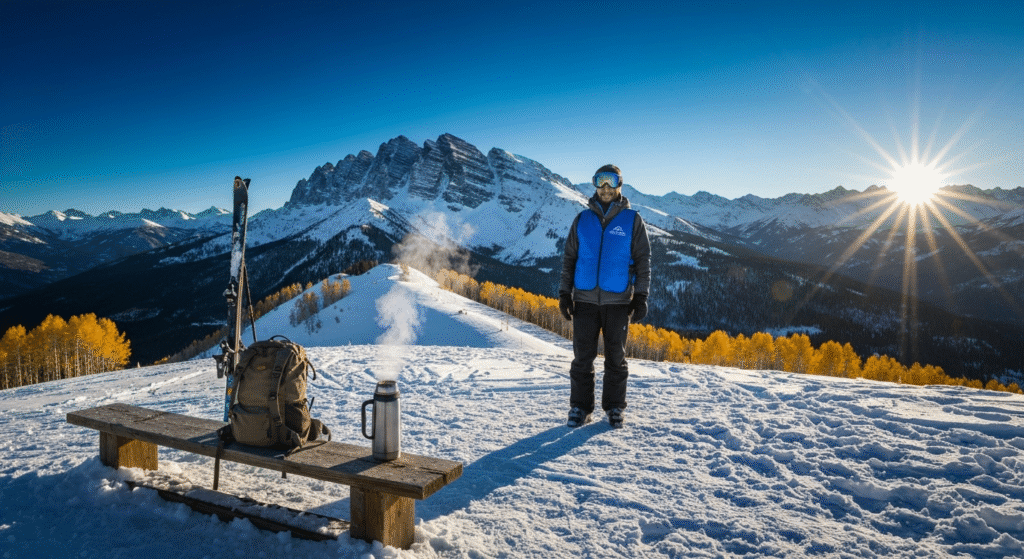
Make sure your gear is in good shape. As a volunteer, you represent the resort. I always make sure my skis are tuned and my jacket is clean. Some resorts provide a uniform jacket or vest that you wear over your layers. I always bring extra hand warmers and a thermos of coffee, because standing at the top of a windy ridge for two hours can get chilly!
The Social Side of Volunteering
I cannot stress enough how much the social aspect matters. When I volunteered at Copper, we had “apres-ski” gatherings after our shifts. We would head to a local spot in Frisco or at the base area and share stories from the day. I met people from all walks of life—retired pilots, young professionals who moved to Colorado for the stoke, and lifelong locals who had been skiing the same runs for fifty years.
These connections are what keep people coming back year after year. It feels good to walk through the village and have the lift operators wave at you because they know you. You become a part of the mountain’s “village.” For me, that sense of belonging is worth more than the free pass itself. I have found hiking partners, mountain biking buddies, and even people to help me fix my car just through the volunteer network.
Making the Most of Your Time
To really enjoy your experience, I suggest trying different roles over the years. Maybe start as an ambassador to get a feel for the mountain, then try the adaptive program once you feel comfortable. I’ve found that variety keeps the experience fresh. Also, do not be afraid to ask questions. The full-time staff members are usually happy to help you learn more about the industry.
I also recommend taking advantage of the “off” days. When you have your volunteer pass, use it on your days off to explore the parts of the mountain you don’t usually see during your shift. It helps you become a better volunteer because you can give better advice to the guests. I spent a lot of my free time at Steamboat exploring the trees in Sunshine Peak just so I could tell people exactly where the best glades were.
What to Expect on a Typical Day
A typical day for me usually starts early. I like to get to the mountain about thirty minutes before my shift starts. I grab a quick breakfast, suit up, and head to the volunteer locker room. There is always a morning briefing where we talk about weather, trail closures, and any special events happening that day.
Then, I head to my station. If I am an ambassador, I might be at the base helping families get their kids into ski school. If I am doing adaptive work, I am meeting my student and their family. The hours go by fast when you are busy. I usually get a lunch break where I can catch a few runs on my own or eat with other volunteers. By the time the lifts close, I am tired, but it is that “good tired” that comes from being outside and being useful.
I hope this Guide to Volunteering at Colorado Ski Resorts helps you take the leap. The mountains are calling, and there is no better way to answer that call than by giving a little bit of your time to the community that makes skiing so special. I’ll see you on the slopes!