
The Magic of Colorado’s Skiing History
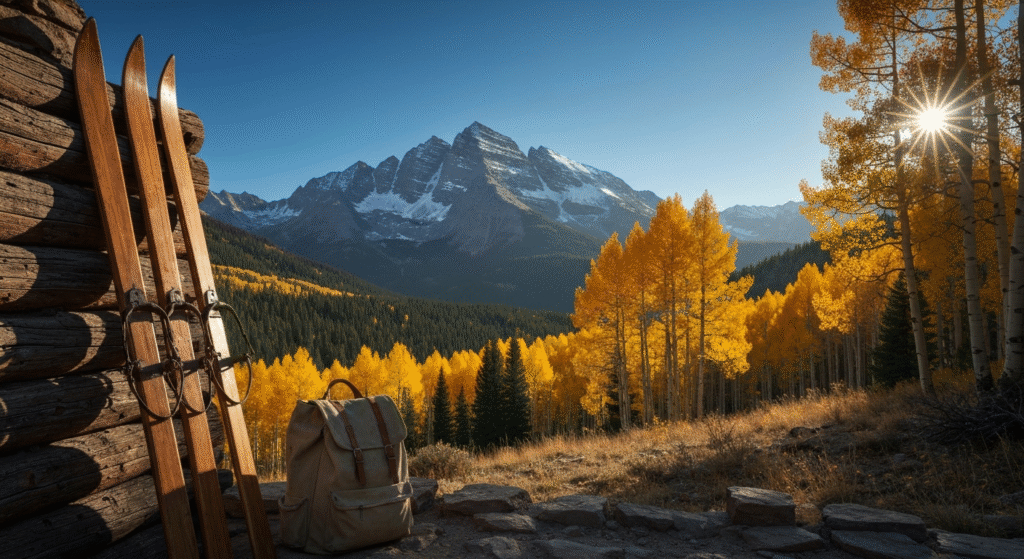
I still remember the first time I stood at the top of a run in Vail, looking out over the Gore Range and feeling like I was part of something much bigger than just a vacation. I realized then that every turn I made was on ground that had been carved out by pioneers, soldiers, and dreamers. Since that day, I have spent a lot of my free time Exploring Ski Museums and Heritage Sites in Colorado to understand the roots of the sport I love so much. There is a certain kind of magic in seeing a pair of 10-foot long wooden skis and realizing that someone actually used those to fly down a mountain without the help of fancy Gore-Tex or carbon fiber poles.
Whenever friends come to visit me for a ski trip, I always try to drag them away from the après-ski bars for at least one afternoon. I want to show them that Colorado is more than just expensive lift tickets and heated gondolas. It is a place with a deep, rugged history that is still very much alive if you know where to look. From the silver mines of Aspen to the training grounds of the 10th Mountain Division, the stories are everywhere. Taking the time to look into these places has changed how I see the mountains, and I think it will do the same for you.
The Heart of the History in Vail
If you find yourself in Vail, you have to stop by the Colorado Snowsports Museum and Hall of Fame. I honestly think this is the best place to start your journey. It is located right in the Vail Village parking structure, which makes it incredibly easy to find. I remember walking in for the first time and being hit with the smell of old wood and leather. It felt like stepping back in time. The museum does an incredible job of telling the story of the 10th Mountain Division soldiers who trained at nearby Camp Hale during World War II.
These men were the true pioneers of the modern ski industry. After the war, many of them came back to Colorado and started the resorts we ski at today, including Vail itself. I spent nearly two hours looking at the letters they wrote home and the heavy, white gear they wore to blend in with the snow. It makes my modern ski boots feel like slippers in comparison. Exploring Ski Museums and Heritage Sites in Colorado gives you a real sense of gratitude for the gear we have now. The museum also has a great section on the evolution of snowboarding, which I found really interesting because I remember the days when boards weren’t even allowed on many mountains.
The Legend of Camp Hale
Just a short drive from Vail is the actual site of Camp Hale. While it is mostly an open valley now, you can still see the foundations of the buildings and the bunkers built into the cliffs. I like to go there in the summer or fall when the air is crisp. Standing in that valley, I can almost hear the shouts of the soldiers and the clatter of their gear. It is a quiet, somber place that reminds me that skiing was once a matter of national defense and survival, not just a hobby. There are plaques scattered around the area that explain what happened at each site, and I highly recommend taking a slow drive through the valley to soak it all in.
Steamboat Springs and the Flying Norwegian
Steamboat Springs is another town where the history is baked into the sidewalks. I love Steamboat because it feels like a real ranching town that just happens to have a world-class ski mountain attached to it. When I go there, I always visit the Tread of Pioneers Museum. It is housed in a beautiful old Victorian home, and it tells the story of how skiing arrived in the Yampa Valley. This is where I learned about Carl Howelsen, the “Flying Norwegian” who introduced ski jumping to the locals in the early 1900s.
I find the jumping history in Steamboat to be one of the most exciting parts of the state’s heritage. Howelsen Hill is the oldest continuously operating ski area in Colorado, and you can still watch kids practicing their jumps there today. I once sat at the bottom of the jumps with a hot chocolate, watching these tiny athletes fly through the air, and I realized that this tradition has been going on for over a hundred years. It is a living piece of history that you can experience without even buying a lift ticket. Steamboat has managed to keep its heritage alive in a way that feels very authentic and unforced.
The Silver Mines of Aspen
Aspen is often seen as a glitzy playground for the rich, but its history is actually quite gritty. Long before the private jets arrived, Aspen was a booming silver mining town. I think the best way to see this side of the town is by visiting the Holden/Marolt Mining and Ranching Museum. It is located on the edge of town and sits on the site of what was once one of the largest silver ore processing plants in the region. When I walked through the old buildings, I could see the rusted machinery and the remnants of the industrial past that built the town.
I learned that when the silver market crashed, the town almost disappeared. It was the “Quiet Years” that followed that eventually led to the development of the ski resort. I find it incredible that a place could go from a mining hub to a ghost town and then to a global destination. Exploring Ski Museums and Heritage Sites in Colorado like the ones in Aspen helps you appreciate the resilience of these mountain communities. I also love walking past the Hotel Jerome and the Wheeler Opera House, knowing that they were built with silver money in the late 1800s. They are still standing, looking just as grand as they did back then.
Walking Through the West End
Another thing I like to do in Aspen is just walk through the West End neighborhood. Many of the houses are original miner’s cabins that have been beautifully restored. I often imagine what it must have been like for a miner coming home after a long day in the tunnels, looking up at those same peaks I now ski down. It puts a lot of things into perspective. The Aspen Historical Society also offers walking tours that I have taken a couple of times. The guides are always full of funny stories about the town’s early characters, which makes the history feel much more personal.
Winter Park and the Railroad Roots
Winter Park has a very particular history because it was essentially created by the city of Denver. I grew up hearing stories about the “Ski Train” that would take people from the city right to the base of the mountain. While the train has changed over the years, the history of the Moffat Tunnel is something I find truly impressive. This tunnel allows the train to pass under the Continental Divide, and it was a massive engineering feat at the time. When I visit Winter Park, I always take a moment to look at the West Portal of the tunnel.
The Cozens Ranch Museum in Fraser, right next to Winter Park, is another gem I stumbled upon a few years ago. It was the first homestead in the Fraser Valley and served as a stagecoach stop and post office. Walking through the rooms, I felt the isolation that those early settlers must have felt during the long Colorado winters. They didn’t have snowblowers or heated floors; they just had fire and wool. It makes me realize how much we take for granted when we head up to the mountains for a weekend of fun. This museum is a great reminder of the tough people who paved the way for us.
Leadville and the High Altitude Life
You cannot talk about Colorado history without mentioning Leadville. At over 10,000 feet, it is the highest incorporated city in the country, and it feels like it. I love driving over to Leadville from Copper Mountain or Summit County because it feels like entering a different era. The National Mining Hall of Fame and Museum there is huge. I spent an entire afternoon there and still didn’t see everything. It isn’t strictly a ski museum, but it explains the mining culture that allowed these towns to exist in the first place.
I also make a point to visit the 10th Mountain Division Memorial at Tennessee Pass, near the Cooper ski area. There is a large stone monument with the names of all the soldiers who died during the war. I stood there in the wind one afternoon, reading those names, and it was a very powerful experience. Many of those soldiers were just kids who loved the mountains as much as I do. Exploring Ski Museums and Heritage Sites in Colorado in Leadville gives you a sense of the scale of the history here. The town itself is full of old saloons and Victorian buildings that haven’t changed much in a century. It is a place that doesn’t put on any acts; it is just pure, raw history.
Small Gems Worth the Drive
While the big towns have the large museums, I have found some of the best stories in the smaller spots. For example, the Breckenridge Heritage Alliance does an amazing job with their “Ski Through History” tours. I went on one last winter and learned about the old dredge boats that used to chew up the riverbeds looking for gold. You can still see the piles of rocks left behind by these boats as you drive into town. It is a strange sight, but once you know the history, it makes perfect sense.
In Crested Butte, the Mountain Bike Hall of Fame is actually part of the local museum. I know we are talking about skiing, but in Colorado, the two are linked. The same people who pioneered the ski trails often did the same for the bike trails. I loved seeing the “klunkers”—the original mountain bikes that were basically just old cruisers with fat tires. It reminded me of the early days of skiing, where people just used whatever they had to get outside and have fun. The spirit of innovation is the same across both sports.
If you ever make it down to Telluride, the museum there is housed in an old hospital. I found it a bit spooky but very cool. Telluride was so isolated for so long that its history feels very preserved. I enjoyed looking at the old photos of the town when it was just a few rows of houses tucked into that deep box canyon. It is hard to imagine how they got all that mining equipment up those steep cliffs without the modern roads we use today.
How to Make the Most of Your Heritage Tour
If you are planning on Exploring Ski Museums and Heritage Sites in Colorado, my best advice is to take it slow. Don’t try to cram three museums into one day. Each of these places has so much detail that you really want time to read the letters, look at the old photos, and talk to the volunteers. Most of the people working in these museums are locals who have lived in these towns for decades. I have learned more from chatting with a museum docent for ten minutes than I ever could from a plaque on the wall.
I also suggest checking the hours before you go. Many of these smaller museums have limited hours, especially during the shoulder seasons like May or October. I have made the mistake of driving all the way to a site only to find it closed for the day. Also, many of these places are non-profits, so if you can, leave a small donation or buy something from the gift shop. I usually pick up a book or a vintage-style postcard to keep as a memento of the trip.
Another tip is to combine your museum visits with a walk through the town’s historic district. Most Colorado ski towns have a Main Street that is protected by historic preservation laws. I like to grab a coffee and just wander the side streets, looking at the architecture. It is a great way to decompress after a big day on the slopes and helps you connect with the place you are visiting on a deeper level.
Why the History Matters
I think some people might wonder why they should bother with museums when there is fresh powder waiting on the mountain. For me, it is about connection. When I know the story of the 10th Mountain Division, I feel a sense of pride when I ski a trail named after one of their battles. When I know about the silver miners in Aspen, I look at the old wooden ruins of a mine shaft on the side of the trail with respect rather than just seeing it as a pile of junk. It makes the whole experience richer and more meaningful.
Skiing is a sport that is built on bravery and a bit of madness. It took a lot of guts for those early pioneers to strap wooden boards to their feet and head down a mountain. Exploring Ski Museums and Heritage Sites in Colorado allows us to honor that spirit. It reminds us that we are part of a long line of people who found joy and freedom in the snow. So, the next time you are in the mountains, take a break from the lifts for a few hours. Step into a museum, read a few stories, and see the mountains through the eyes of those who came before us. I promise it will change the way you feel about your next run down the hill.
The history of Colorado skiing is not just about the past; it is about the heart of the sport today. Every time I visit one of these sites, I come away feeling more inspired to get out there and enjoy the snow. I hope you find that same inspiration as you look into the incredible heritage of our mountains. There is so much to see beyond the resort boundaries, and I can’t wait for you to find your own favorite piece of Colorado history.