
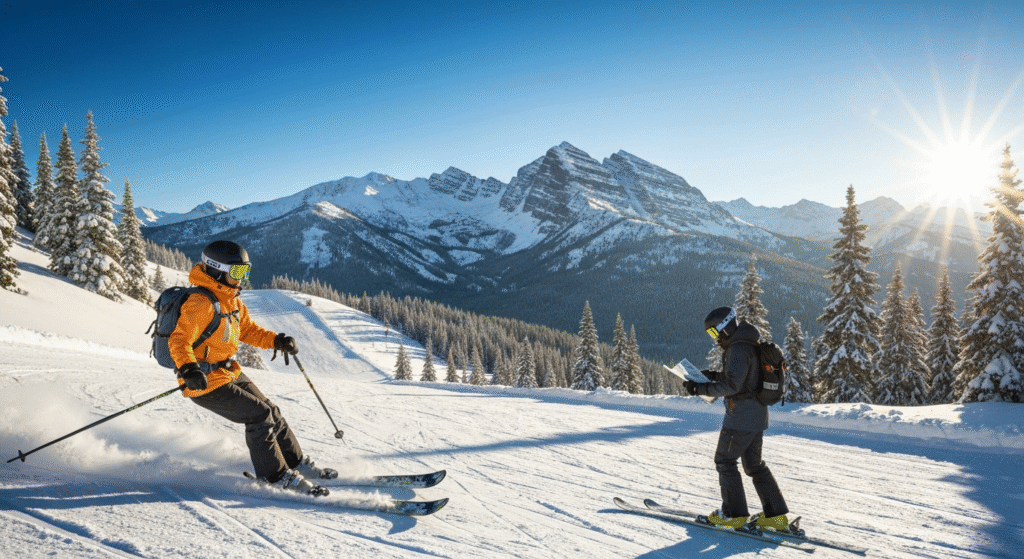
Guide to First Aid and Safety on Colorado Ski Slopes
There’s nothing quite like the feeling of gliding down a Colorado mountain, fresh snow spraying, the sun shining, and those iconic peaks all around you. It’s a feeling of pure freedom and exhilaration that keeps me coming back season after season. But as much as I love chasing powder and enjoying the incredible terrain our state offers, I also know that a truly memorable day on the slopes is a safe one. That’s why I’m so excited to share my personal Guide to First Aid and Safety on Colorado Ski Slopes. This isn’t about scaring anyone; it’s about empowering you to have the best time possible by being prepared and aware.
Over the years, I’ve seen a little bit of everything out there, from minor tumbles to situations that required quick thinking and a call to ski patrol. Each experience has only reinforced my belief that understanding basic safety measures and knowing what to do if things go sideways makes all the difference. Let’s get ready to hit the slopes with confidence, knowing we’ve got a solid plan for staying secure and having fun!
Getting Ready: Preparation Before You Ride
Skiing and snowboarding are physically demanding, even for those who consider themselves fit. A little bit of readiness before you even step foot in your bindings can significantly reduce your risk of injury. I always tell my friends that the fun starts with being ready!
Physical Fitness and Warm-ups
I know, I know, warming up might not sound like the most thrilling part of a ski day, but trust me, it matters! Cold muscles are more prone to strain. Before I even click into my skis, I make sure to do some light stretching. A few leg swings, torso twists, and arm circles can wake up those muscles. You don’t need a full gym session; just enough to feel limber. Even a brisk walk from the parking lot to the base can help get your blood flowing. When I’ve skipped this step, I’ve definitely felt it in my quads by midday.
Checking Your Gear: Your Best Friends on the Mountain
Your equipment is your lifeline on the slopes. A quick check of your gear before each run is a habit I’ve cultivated, and it’s served me well. Here’s what I look for:
- Helmet: Absolutely non-negotiable for me. Make sure it fits snugly and isn’t cracked or damaged. I had a minor fall a few seasons ago at Winter Park, and while I just slid into some soft snow, my helmet definitely took a light bump. It made me extra grateful I was wearing it.
- Skis/Snowboard: Check your bindings. Are they set correctly for your weight, height, and ability? Are your edges sharp and bases waxed? A well-maintained setup makes a massive difference in control.
- Boots: Make sure they are buckled correctly and feel secure. Loose boots mean less control and more potential for ankle tweaks.
- Poles: Ensure straps are secure and baskets aren’t missing.
Layering for Colorado’s Ever-Changing Weather
Colorado weather can be famously fickle. I’ve started a day at Keystone with bright sunshine and ended it in a full-on blizzard! Layering is your secret weapon. I usually go with three core layers:
- Base Layer: Wicking material (wool or synthetic) to pull moisture away from your skin.
- Mid-Layer: Fleece or a puffer jacket for insulation.
- Outer Shell: Waterproof and windproof jacket and pants to protect against the elements.
I always pack a small backpack with an extra mid-layer, just in case the temperature drops unexpectedly, or if I get soaked from a fall. Being comfortable means you can focus on your riding, not how cold you are.
Staying Hydrated and Fueled
High altitude and physical exertion mean you’ll dehydrate faster than you think. I always carry a water bottle or hydration pack. Many Colorado resorts, like Vail and Breckenridge, have water fountains at the base or lodges where you can refill. Eating snacks throughout the day – granola bars, trail mix, a banana – keeps your energy levels up and prevents bonking. There’s nothing worse than feeling faint halfway down a run because you didn’t fuel properly!
Your On-Slope Playbook: Navigating the Mountain Safely
Once you’re geared up and ready to go, understanding the rules of the road is crucial. Think of it as driving a car; there are shared responsibilities to keep everyone secure.
The Skier’s Responsibility Code: Your Guiding Principles
Every ski area in Colorado displays the Skier’s Responsibility Code, and for good reason. It’s not just a suggestion; it’s a code of conduct that helps everyone have a secure and enjoyable day. I always give it a quick read at the start of the season as a refresher. Here are the main points I keep in mind:
- Stay in Control: This is the big one. I always ski or ride within my ability and maintain a speed that allows me to stop or avoid others.
- People Ahead Have the Right of Way: It’s my job to avoid those below me. They may not see me.
- Stop in a Safe Place: If I need to stop, I always move to the side of the trail where I’m visible to others and not obstructing traffic.
- Look Before You Leap: Before starting downhill or merging onto a trail, I always check uphill for oncoming traffic.
- Prevent Runaway Equipment: Use leashes on snowboards, and ensure ski brakes are working.
- Observe Signs and Warnings: Closed trails and slow zones are there for a reason. Heed them!
- Know How to Use Lifts Safely: Follow instructions and understand proper loading and unloading.
Following these simple guidelines truly makes for a more pleasant and predictable mountain setting for everyone.
Reading the Terrain: Trail Signs and Markers
Every mountain has its unique personality, and understanding its signs helps a ton. I’m talking about more than just the difficulty ratings (green, blue, black). Look for:
- Slow Zones: These are often near chairlifts or lodges. It’s a good idea to reduce speed here, even if you feel comfortable.
- Closed Areas: Never, ever duck a rope into a closed area. These are closed for a reason, whether it’s avalanche danger, thin cover, or ongoing snowmaking. Ski Patrol takes this very seriously.
- Danger Signs: Cliffs, unmarked obstacles, or other hazards will be signed. Pay attention!
- Trail Maps: Keep a paper map in your pocket (phone batteries die in the cold!) and know where you are and where you’re headed.
Knowing Your Limits and When to Call It a Day
This is probably the hardest one for me, especially on a beautiful powder day! But pushing past your exhaustion point or trying a run that’s truly beyond your skill level is a recipe for trouble. I’ve learned to listen to my body. If my legs feel like jelly, or if I’m starting to get sloppy, I know it’s time for a hot cocoa break, or maybe even to call it a day. It’s much better to finish feeling good than to push it and end up injured. There’s always tomorrow for more turns.
When Things Go Wrong: First Aid and How to Respond
Despite our best efforts, slips and falls happen. It’s part of the sport. Knowing how to handle minor bumps and when to call in the professionals is vital.
Minor Falls and Bumps: Self-Assessment and Your Mini First Aid Kit
I’ve taken my fair share of tumbles over the years. Most are harmless – a quick dusting off and you’re good to go. But sometimes, you might land awkwardly. My first step is always a quick self-assessment. Can I move everything? Does anything hurt more than just a momentary sting? If it’s a minor bruise or scrape, I appreciate having a small kit in my backpack:
- A few adhesive bandages
- Antiseptic wipes
- Pain relievers (like ibuprofen)
- Small roll of athletic tape (great for blisters or minor sprains)
This little kit has saved me from cutting short a good day more than once. Just a few essentials make a huge difference.
Lost or Separated Group Members
Skiing with friends is wonderful, but it’s easy to get separated on a busy day, especially at vast resorts like Breckenridge or Copper Mountain. My group always establishes a meeting point at the bottom of each lift, or a central lodge, should we get split up. We also make sure everyone has a fully charged phone. If someone gets lost, the immediate meeting point is key. If you can’t reconnect, the resort’s guest services or ski patrol can help.
More Serious Injuries: When to Call Ski Patrol
This is where your knowledge truly helps. If you or someone else has a serious injury (e.g., suspected broken bone, head injury, loss of consciousness, severe pain), do not hesitate. Call Ski Patrol immediately. They are highly trained medical professionals who are there to help. Every Colorado resort has a dedicated Ski Patrol. Their numbers are usually on trail maps and resort websites.
How to Signal for Help
If you’re with an injured person, cross your skis or board in an “X” shape uphill from the injured person. This is the universal sign for “help needed.” If you don’t have skis or a board, wave your arms in a large “X” motion above your head. This lets others know to slow down and that someone needs assistance.
What to Tell Ski Patrol
When you call, be ready to provide:
- Your exact location (trail name, nearest lift, unique landmarks).
- The nature of the injury and the person’s condition.
- Your name and a callback number.
Stay with the injured person, keep them warm, and provide reassurance until patrol arrives. I remember helping a fellow skier at Arapahoe Basin who had taken a nasty fall. Calling patrol quickly and clearly providing the details made their arrival very efficient.
Avalanche Awareness: A Quick Note
While resort boundaries are generally protected, if you venture into unpatrolled backcountry areas (which I don’t recommend without proper training and equipment!), avalanche danger becomes a real concern. Even within resort bounds, steep terrain and fresh snow can present risks. Pay attention to signs and warnings from ski patrol. The Colorado Avalanche Information Center (CAIC) is an amazing resource for anyone considering venturing beyond the ropes.
Your Essential Colorado Ski First Aid Kit: What I Carry
Beyond the basics I mentioned earlier, here’s what I always have in my pack when I’m out for a day of skiing, especially when I’m exploring larger areas like Snowmass or Steamboat:
- Charged Cell Phone: And maybe a portable charger for those cold days.
- Trail Map: A paper one! Phone batteries die in the cold.
- Whistle: For attracting attention if you’re out of sight or lost. Three short blasts are a common distress signal.
- Sunscreen and Lip Balm: The sun at altitude is intense!
- Small Multi-Tool: For minor binding adjustments or quick fixes.
- Hand Warmers: A lifesaver on bitterly cold days.
- Emergency Blanket: A very compact Mylar blanket can provide crucial warmth if you’re stuck waiting for help.
- Headlamp: If you find yourself out later than planned, especially if skiing a vast mountain.
- Basic pain relief (ibuprofen, acetaminophen): For headaches or minor aches.
This list might seem extensive, but it all fits neatly into a small, lightweight pack, and I’ve been glad to have every single item at some point.
Colorado-Specific Safety Wisdom
Our Centennial State mountains have some unique qualities that call for particular attention.
High Altitude Considerations
Colorado resorts are high, high up! Breckenridge’s peak is over 12,900 feet! Altitude sickness is real and can ruin a trip. I always suggest:
- Acclimatize: If possible, spend a day at a lower elevation before hitting the highest peaks.
- Hydrate Like Crazy: Drink even more water than you think you need.
- Listen to Your Body: Headaches, nausea, or unusual fatigue are signs to take it easy. Don’t push through it. Many lodges offer oxygen if you feel unwell.
Sun Protection at Altitude
With less atmosphere to filter the sun’s rays, you’re at a higher risk for sunburn, even on cloudy days. I never hit the slopes without applying broad-spectrum sunscreen to my face, neck, and any exposed skin. Don’t forget the underside of your chin and nose! Sunglasses or goggles with UV protection are also a must to protect your eyes from the glare off the snow.
Tree Well Safety
This is a serious one. Tree wells are depressions that form around the base of trees, especially in deep powder conditions. If you fall into one headfirst, it can be incredibly hard to get out, potentially leading to suffocation. I always recommend:
- Skiing with a Partner: Especially in gladed areas.
- Maintain Distance from Trees: Give them a wide berth.
- If You Fall In: Yell for help, try to stay calm, and slowly work your way out by making small movements to compact the snow below you.
I’ve seen the depths of tree wells at resorts like Steamboat, and they are no joke. Always be aware.
Chairlift Safety Protocols
While usually trouble-free, chairlifts require awareness. Always:
- Remove pole straps from wrists before loading.
- Move quickly into the load area as instructed.
- Ensure children are properly seated.
- Keep ski tips up when riding.
- Pay attention to unloading instructions.
I once saw a skier almost miss the unload ramp because they were distracted. A moment of awareness keeps everyone secure.
My Personal Takeaways and Lessons from the Slopes
Skiing in Colorado has given me some of my happiest memories, and a few valuable lessons. I remember a day at Loveland Pass, a backcountry spot I love, where I misjudged a drop-off. I went sprawling, not terribly hurt, but my backpack with my water bottle and snacks flew into a snowdrift. Luckily, a friend was right behind me and helped me locate everything. It taught me the value of skiing with a buddy and keeping an eye on each other.
Another time, at Copper Mountain, I witnessed a young snowboarder take a nasty spill. He hit his head, even with a helmet. Someone quickly crossed their board, and within minutes, ski patrol was there, calm and capable. It was a stark reminder of how important those professionals are and how we all play a part in assisting others when needed. It really solidified my belief in the importance of a well-practiced Guide to First Aid and Safety on Colorado Ski Slopes.
For me, the mountains are a place of pure joy. By taking a few extra moments to prepare, stay aware, and know what to do in case of an issue, we can all make sure our days on the snow are filled with fantastic runs, not worries. So grab your gear, remember these tips, and I hope to see you out there on the beautiful Colorado slopes, making amazing memories securely!